
Understanding the High-Stakes Marketplace Taking Shape Around the 2026 FIFA World Cup
The 2026 FIFA World Cup is still more than a year away, but for ticketing professionals, the outlines of one of the most…
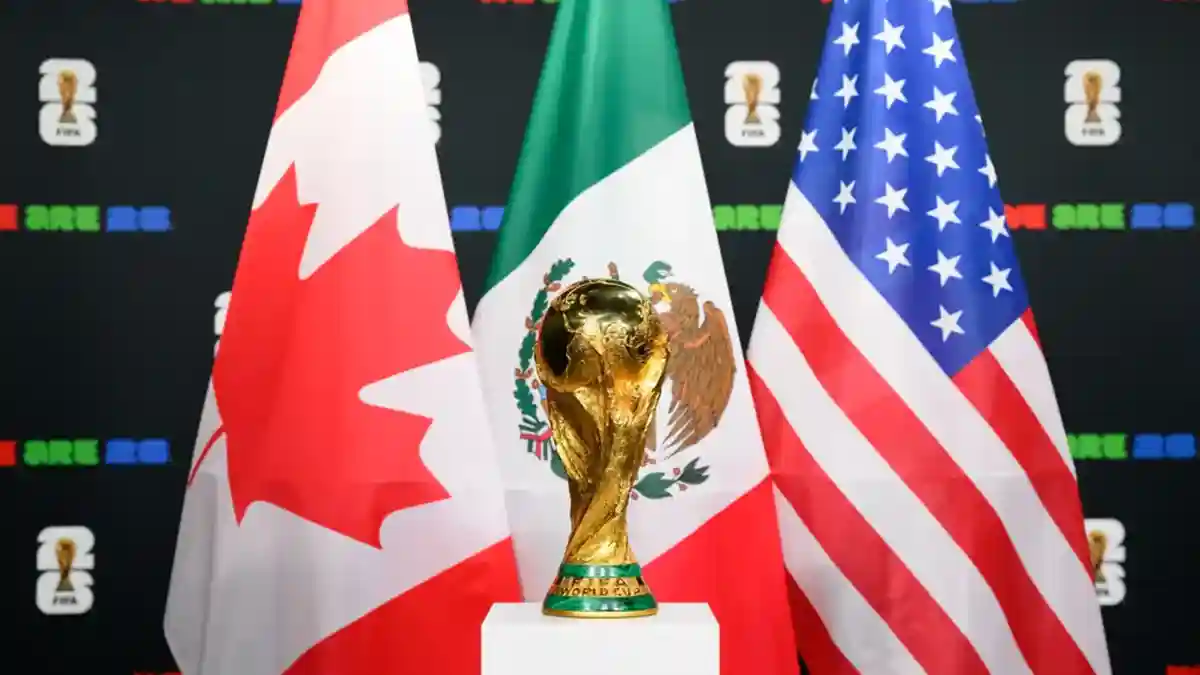
The 2026 FIFA World Cup is still more than a year away, but for ticketing professionals, the outlines of one of the most expansive and dynamic event marketplaces ever staged in North America are already taking shape. As the tournament approaches, industry leaders are beginning to assess a landscape defined by massive scale, international demand, and a host of operational variables that will influence how the market develops.
That landscape was the focus of “The Countdown to the World Cup,” a panel at the Coalition for Ticket Fairness conference featuring executives from across the global ticketing and resale sector. Moderated by Scot Tobias of Worldwide Tickets, the discussion included Alex Berni (Gigsberg), Peter Savovsky (Ticombo), Tomas Mesa (HelloTickets), and Mark Leib (Jorae Entertainment).
Collectively, they described the 2026 World Cup as a uniquely global ticketing ecosystem—one poised to create major opportunities for brokers, platforms, travel sellers, and ancillary providers, while also challenging the industry to navigate a tournament spread across three countries, dozens of venues, and an unprecedented volume of matches.
Scale: The Defining Variable
The most consistent theme across the panel was scale. With more host cities, more stadiums, and more matches than the 2022 tournament in Qatar, the 2026 World Cup will expand the marketplace dramatically.
Berni noted that the market remains far from fully formed. “There are still 3.5 million tickets that haven’t been processed yet, which will be released in waves,” he said—an illustration of just how much inventory is still to come. That dynamic will keep pricing fluid longer than many global events, as new rounds of supply continuously reshape buyer expectations.
The tournament’s size, panelists agreed, will influence not only fan behavior but the operational realities facing sellers, intermediaries, and marketplaces. More inventory across a wider geography means more variables, more segmentation, and more complexity.
A Tiered Pricing Environment
Because of the staggered release of inventory and the diversity of host cities, panelists said the 2026 marketplace is unlikely to behave like a uniform, single-direction market. Instead, it will split into tiers. Premium cities—particularly New York and Miami—were repeatedly cited as markets expected to hold strong value, especially for knockout matches and games involving top global teams.
At the same time, several speakers predicted that some middle‑tier group‑stage matches could soften as more tickets become available and buyers gain clarity on seating locations. As Berni put it: “Certain games will hold their value … but there are some that will take a wobble when more supply hits the market.”
This blend of premium pressure and broader price discovery is what makes the 2026 event commercially unique. It offers both obvious high‑demand opportunities and less predictable pockets of upside tied to fan mobility, diaspora strength, and team progress.
The Fan Bases That Could Move the Market
Asked which countries and stars would drive the strongest pricing, panelists pointed first to traditional global heavyweights: Brazil, Argentina, England, France, Portugal, Mexico, and the United States. The sheer size of their traveling fan bases—and the cultural centrality of the World Cup—make them reliable demand drivers.
Argentina and Portugal, in particular, were tied to the potential final World Cup appearances of Lionel Messi and Cristiano Ronaldo, adding what several speakers described as “once‑in‑a‑lifetime premium power.” “If Messi makes it to the finals, it will go to another level,” Leib said.
England was singled out as perhaps the most combustible late‑stage demand story. “The airlines won’t have enough planes to bring the English over if they make it to the finals,” Leib quipped, illustrating how quickly international demand could escalate.
Mesa similarly highlighted England and Argentina as likely leaders in final‑round pricing but noted that Mexico could upend expectations if it were to make an unusually deep run—particularly given the strength of Mexican support across North American host cities.
The panel also identified a second tier of countries capable of outperforming expectations in the resale market: Scotland, Senegal, Morocco, Turkey, Ireland, Uruguay, and Italy (if it qualifies). In many cases, this upside stems less from title odds than from passionate traveling fan bases and strong diaspora communities in U.S. metro areas.
This layering of global demand, diaspora effects, and team-specific fan behavior led several speakers to suggest that the 2026 World Cup will operate less like a single marketplace and more like a constellation of international micro‑markets, each moving according to its own logic.
Travel Economics: A Defining Constraint
Another major variable shaping the market is the cost and complexity of travel. Unlike the compact 2022 tournament in Qatar, the 2026 World Cup will unfold across a massive continental footprint. Fans will need more flights, more hotel nights, and more lead time.
“More than the availability of flights, it’s the cost of them,” Mesa said. That reality could push fans to anchor their trips more narrowly—around specific teams, cities, or bucket‑list matches—rather than jumping between venues.
This shift creates opportunities beyond ticket sales. As fans engage in longer, more expensive travel, ancillary services such as parking, accommodations, hospitality, destination activities, and other add‑ons will become more valuable, potentially representing meaningful revenue expansion for marketplace operators.
Mesa emphasized that his company sees the World Cup as inherently cross‑border, with demand coming from North America as well as Europe and Latin America. Affiliates, travel partnerships, and localized marketing, he said, will play a major role as the event approaches.
Panelists also noted that many of the biggest revenue gains may come closer to the tournament itself, once the bracket is set and fans can finalize travel plans.
Blending Global Norms with North American Expectations
The panel also explored how the World Cup could force a blending of international football ticketing norms with the expectations of North American buyers. Globally, fans are accustomed to category‑based ticketing and delayed final delivery. In the U.S., buyers generally expect detailed seat locations well in advance.
Once more location-specific details are released, this difference could trigger material marketplace movement. “As soon as you add details like section and row, conversion increases significantly,” Savovsky noted. More granular inventory information often leads buyers to distinguish more sharply between premium longside seating and less desirable areas—even when tickets fall into the same official category.
This shift could set off another round of repricing, particularly for matches where category‑based listings currently obscure differences in seat quality.
Operational Questions and the Need for Clarity
Though the overall tone of the session focused on opportunity, panelists acknowledged lingering operational questions, including the timing of transfer functionality and how certain delivery mechanics will work as the event nears. These were framed not as red flags but as reminders that transparency will matter immensely in an event of this scale.
Leib cautioned that many in the U.S. market may still underestimate how different a FIFA‑controlled event can be from a familiar domestic sports or concert on‑sale. “If anybody thinks that it’s just going to be a free‑flow, easy operation, I think you’re going to be in for a big surprise once the event finally gets around the corner,” he said.
A Marketplace Unlike Anything North America Has Seen
If there was any point of unanimous agreement, it was that the 2026 World Cup is shaping up to be more than a high‑demand sports event. It is a sprawling international marketplace defined by elite demand, travel economics, phased inventory, diverse fan behavior, and venue‑by‑venue variability on a scale North America rarely experiences.
For the ticketing industry, that makes the 2026 World Cup not only a global spectacle but one of the most closely watched commercial tests on the calendar.
Read next
More headlines

Jun 3, 2026
Gracie Abrams, Bryson Tiller, Phantom of the Opera Lead This Week’s Ticket Onsales
This week’s ticket onsales bring a broad mix of concert tours, theater runs, comedy dates, family events and sports inventory…

Jun 3, 2026
AXS Backs Independent Venues With New, Renewed U.S. Partnerships
AXS is strengthening its position in the independent venue space with a new round of partnerships spanning some of the…

Jun 3, 2026
Ziggy Marley and Gov’t Mule Plot Co-Headlining Tour
Ziggy Marley and Gov’t Mule have announced a 16-date co-headlining U.S. “Dreaming The Same Dream Tour.” The16-date run is set…